Martin Tanis
In his research, Martin focuses on biased information processing: people rarely evaluate information neutrally, but instead interpret it through the lens of existing beliefs and attitudes. When time, motivation, or cognitive capacity is limited, we rely on quick, intuitive judgments rather than careful analysis. As a result, feelings, assumptions, and social context often guide our assessment of credibility. Drawing on dual-process models, social identity theory, motivated reasoning, confirmation bias, and social-judgment theory, Martin studies how people form judgments based on incomplete information. From early work on online anonymity to recent studies on source verification, misinformation, and “health hacks,” Martin’s research shows how social and cognitive mechanisms shape trust and belief both online and offline.

‘Verified’ badges on social media don’t make people savvier

Why we fall for health hacks with shiny "superfood" claims

Why do some young adults keep their online behavior private for their parents?

Reduce Online Aggressive Behaviors Among Teens? Make Them Feel Accountable!
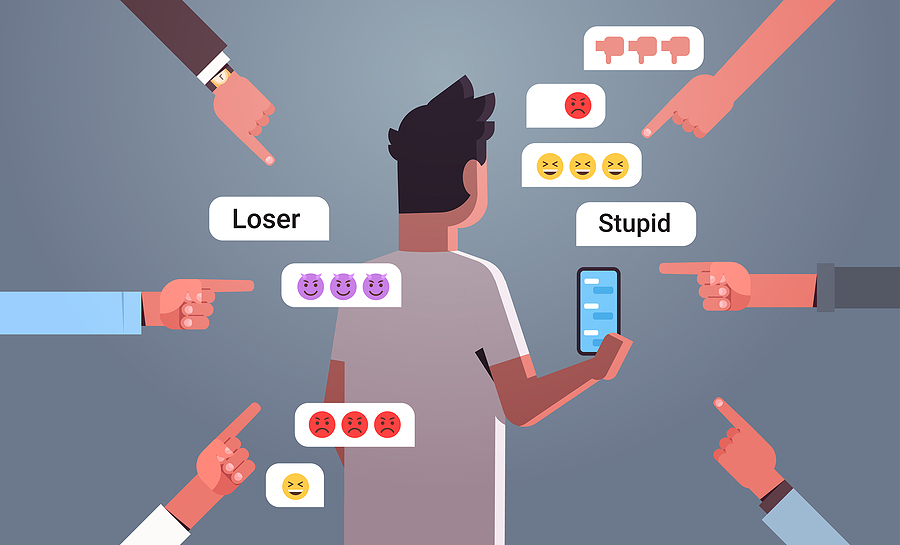
Why do teens forward nasty messages on WhatsApp?

Media as Friend and Foe in Time of Elections